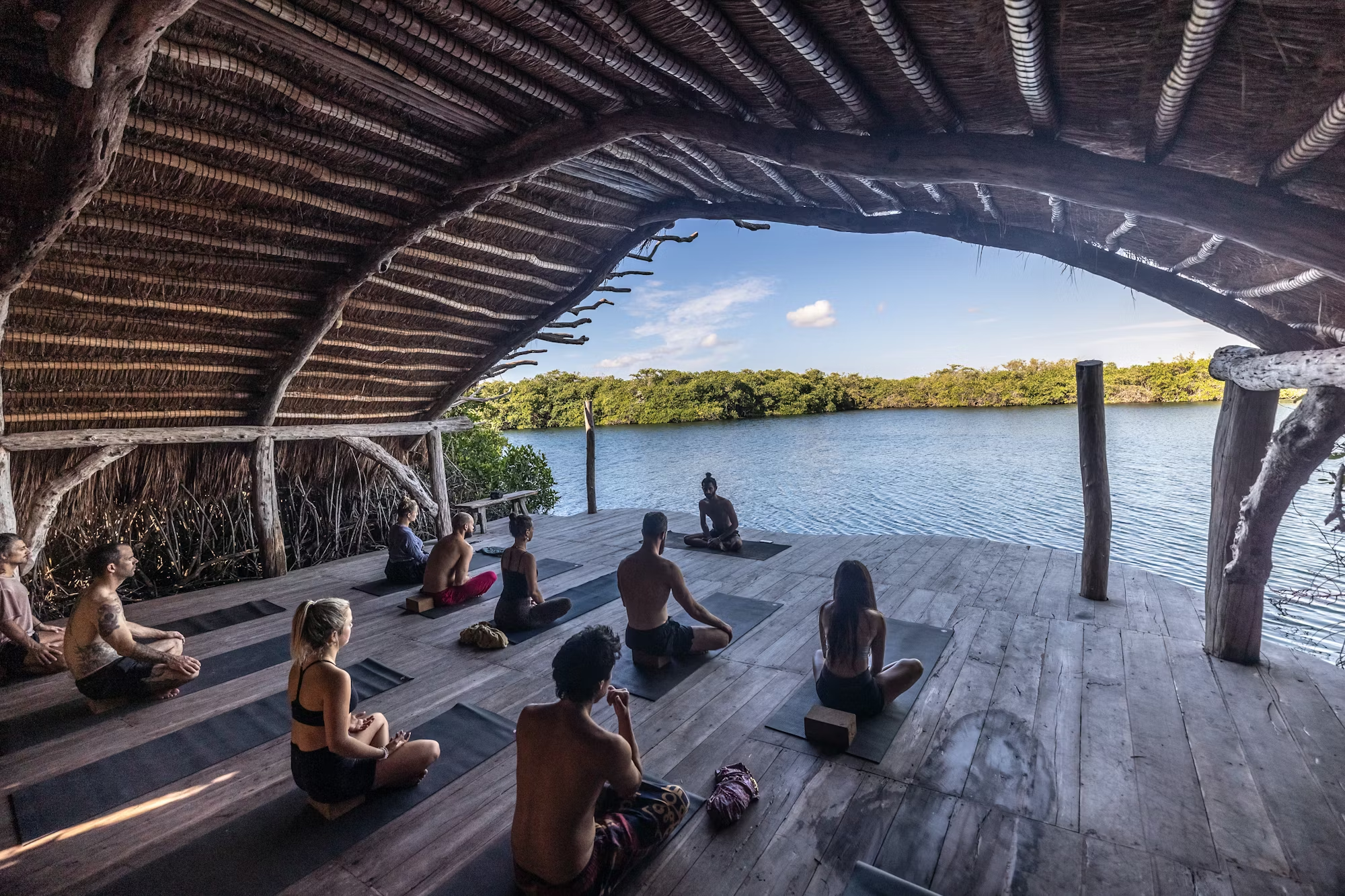
In a world where the pace of life seems to accelerate every day, the need for moments of stillness and introspection has never been greater. Meditation, an ancient practice that has been embraced across cultures, offers a pathway to inner peace, clarity, and emotional balance. With a wide variety of techniques available, individuals can find the methods that resonate most deeply with them, fostering mindfulness and enhancing overall well-being. This article delves into some of the most popular meditation practices, exploring their benefits and providing guidance on how to incorporate them into everyday life.
At its core, meditation is about training the mind to focus and engage in a heightened awareness of one’s thoughts, feelings, and surroundings. One of the most accessible forms of meditation is Mindfulness Meditation, which emphasizes being fully present in the moment. This practice involves observing thoughts, sensations, and emotions without judgment, allowing practitioners to cultivate a non-reactive awareness. By anchoring the mind in the present, individuals can reduce stress and enhance their capacity for joy and appreciation.
To practice Mindfulness Meditation, find a quiet space where you can sit comfortably. Close your eyes and take several deep breaths, allowing your body to relax. Focus your attention on your breath, observing the natural rhythm of inhalation and exhalation. If your mind begins to wander, gently acknowledge the thoughts and redirect your focus back to your breath. This simple yet profound practice can be done for just a few minutes each day, gradually increasing the duration as you become more comfortable with the technique.
Another powerful practice is Loving-Kindness Meditation, also known as Metta. This technique centers on cultivating feelings of compassion and goodwill toward oneself and others. Practitioners silently repeat phrases that express love and kindness, gradually extending these sentiments from themselves to loved ones, acquaintances, and even those with whom they may have difficulties. By nurturing positive emotions, Loving-Kindness Meditation enhances emotional resilience and strengthens interpersonal connections.
To engage in Loving-Kindness Meditation, sit comfortably and close your eyes. Start by focusing on yourself and silently repeating phrases such as, “May I be happy, may I be healthy, may I be safe, may I live with ease.” After several repetitions, expand these wishes to include loved ones, friends, and even individuals you may find challenging. This practice fosters a compassionate heart, encouraging empathy and understanding in your interactions with others.
Transcendental Meditation (TM) offers a distinct approach to achieving relaxation and clarity through the use of a mantra—a specific word or phrase that is repeated silently. This practice allows practitioners to quiet their minds and enter a state of deep relaxation, promoting overall well-being. TM is renowned for its effectiveness in reducing stress and enhancing mental clarity.
To practice Transcendental Meditation, find a comfortable position and choose a mantra that resonates with you. Close your eyes and begin to silently repeat the mantra in your mind. As you engage with the mantra, allow any thoughts to come and go without engaging with them. This practice creates a profound sense of calm, making it an excellent choice for individuals seeking a straightforward meditation technique that yields significant benefits.
Body Scan Meditation is another valuable practice that promotes awareness of bodily sensations. In this technique, attention is systematically directed through different parts of the body, helping individuals identify areas of tension and facilitating relaxation. By bringing mindful awareness to the body, practitioners can deepen their connection with their physical selves, fostering a sense of overall well-being.
To practice Body Scan Meditation, lie down in a comfortable position and close your eyes. Start by taking a few deep breaths, allowing your body to relax completely. Focus on your toes, noticing any sensations or tension present. Gradually move your attention up through your feet, legs, torso, arms, and head. As you scan each area, consciously relax any tension you encounter. This restorative practice provides a chance to release accumulated stress and cultivate inner tranquility.
Zen Meditation, or Zazen, is a traditional form of seated meditation rooted in Zen Buddhism. Practitioners typically adopt a specific posture, focusing on their breath while observing thoughts without attachment. This practice fosters a profound sense of stillness and insight, allowing individuals to gain a deeper understanding of their thoughts and emotions.
To engage in Zen Meditation, find a quiet space and sit in a comfortable yet alert posture. Close your eyes and bring your attention to your breath. As thoughts arise, simply observe them and allow them to pass without judgment, returning your focus to your breath. This practice encourages a deep sense of inner peace and self-awareness, leading to greater clarity and understanding of oneself.
Guided Visualization is another popular meditation practice that involves following the verbal guidance of an instructor or recorded audio. This technique often incorporates visualization exercises, where practitioners imagine peaceful scenes or scenarios to enhance relaxation and mental clarity. Guided meditations can be particularly effective for beginners, offering structured support as they explore their meditation journey.
To practice Guided Visualization, choose a meditation that resonates with you, whether it is a live session or a recorded one. Find a comfortable position, close your eyes, and immerse yourself in the guided imagery. This practice can transport you to serene landscapes or help you envision positive outcomes, promoting relaxation and reducing anxiety.
Breath Awareness Meditation focuses solely on the breath, helping practitioners develop a deeper connection to their natural rhythm. By observing the inhalation and exhalation, individuals use their breath as an anchor to bring awareness back to the present moment. This technique is straightforward yet powerful, making it an excellent option for both beginners and experienced meditators.
To practice Breath Awareness Meditation, sit comfortably and close your eyes. Take a few deep breaths, then allow your breathing to return to its natural rhythm. Focus on the sensations of your breath—the rise and fall of your abdomen, the coolness of the air as you inhale. When your mind begins to wander, gently redirect your attention back to your breath. This practice encourages mindfulness and can significantly alleviate stress and enhance emotional clarity.
Chakra Meditation centers on the seven energy centers within the body, each associated with different physical and emotional attributes. Practitioners focus on each chakra, visualizing its associated color and qualities to balance energy flow. This practice often includes specific sounds or affirmations that correspond to each chakra, enhancing the experience of harmonizing mind and body.
To practice Chakra Meditation, find a quiet space and sit comfortably. Start by focusing on the root chakra at the base of your spine, visualizing its red color and repeating its associated affirmation. Gradually move through each chakra, from the sacral to the crown, visualizing colors and affirmations as you progress. This practice promotes emotional balance and a sense of harmony within, enhancing your overall well-being.
Mantra Meditation, similar to Transcendental Meditation, involves the repetition of a word, phrase, or sound to maintain focus and induce relaxation. This technique can be performed silently or aloud, allowing practitioners to connect with the vibrational quality of the mantra. The repetition serves as a focal point, helping to quiet the mind and deepen the meditative experience.
To practice Mantra Meditation, select a mantra that resonates with you. Sit comfortably and close your eyes, repeating the mantra in your mind or aloud. Allow the rhythm of the mantra to anchor your thoughts and guide you into a state of tranquility. This practice enhances mental clarity and fosters a profound sense of connection to oneself and the universe.
As you explore these diverse meditation techniques, remember that consistency is essential. Establishing a regular meditation routine, even if just for a few minutes each day, can lead to significant improvements in mental clarity, emotional resilience, and overall well-being. Meditation is a personal journey, and each individual’s path will be unique.
In conclusion, the art of meditation offers a myriad of techniques that can enhance personal growth and well-being. Whether you are drawn to the present-moment awareness of Mindfulness Meditation or the soothing repetition of Mantra Meditation, there is a practice that can resonate with you. By integrating meditation into your daily life, you can cultivate greater self-awareness, reduce stress, and experience profound inner peace. Embrace the transformative power of meditation and allow it to guide you on your journey toward a more mindful and fulfilling existence.